Imagine waking up one day and struggling to remember your own name. Or reaching for a coffee cup and watching your hand refuse to cooperate. For thousands of brain injury survivors, this isn’t imagination — it’s reality. Brain injuries and neurological disorders don’t just affect the brain. They disrupt everything: movement, speech, memory, independence. Traditional …


Imagine waking up one day and struggling to remember your own name. Or reaching for a coffee cup and watching your hand refuse to cooperate. For thousands of brain injury survivors, this isn’t imagination — it’s reality.
Brain injuries and neurological disorders don’t just affect the brain. They disrupt everything: movement, speech, memory, independence. Traditional medicine can save your life, but what happens after? How do you reclaim the person you used to be?
This is where neurological rehabilitation for brain injury comes in. With the right neuro physiotherapy and stroke rehabilitation techniques, recovery isn’t just possible — it’s happening every day.
What Is Neurological Rehabilitation?
Neurological rehabilitation is specialized therapy designed to help people recover from:
- Brain injuries
- Strokes
- Neurological disorders
Think of your brain like a city with thousands of roads. When injury strikes, some roads get blocked. Neurological disorder treatment helps your brain build new roads around the damage — a process called neuroplasticity.
Brain injury physiotherapy combines multiple approaches:
- 🏃 Physical therapy for movement & coordination
- 🧠 Cognitive therapy for memory & focus
- 🗣️ Speech therapy for communication
- 🏡 Occupational therapy for daily independence
How Brain Injury Recovery Actually Work?
The Science Is Simple: Your brain contains billions of neurons. When some get damaged, others can learn to take over their jobs.
But here’s the catch, this only happens with consistent, targeted practice.
Real Example: Meet Rajesh, a 42-year-old stroke survivor from Delhi. After his stroke, he couldn’t lift his right arm. Doctors said he might never regain full function.
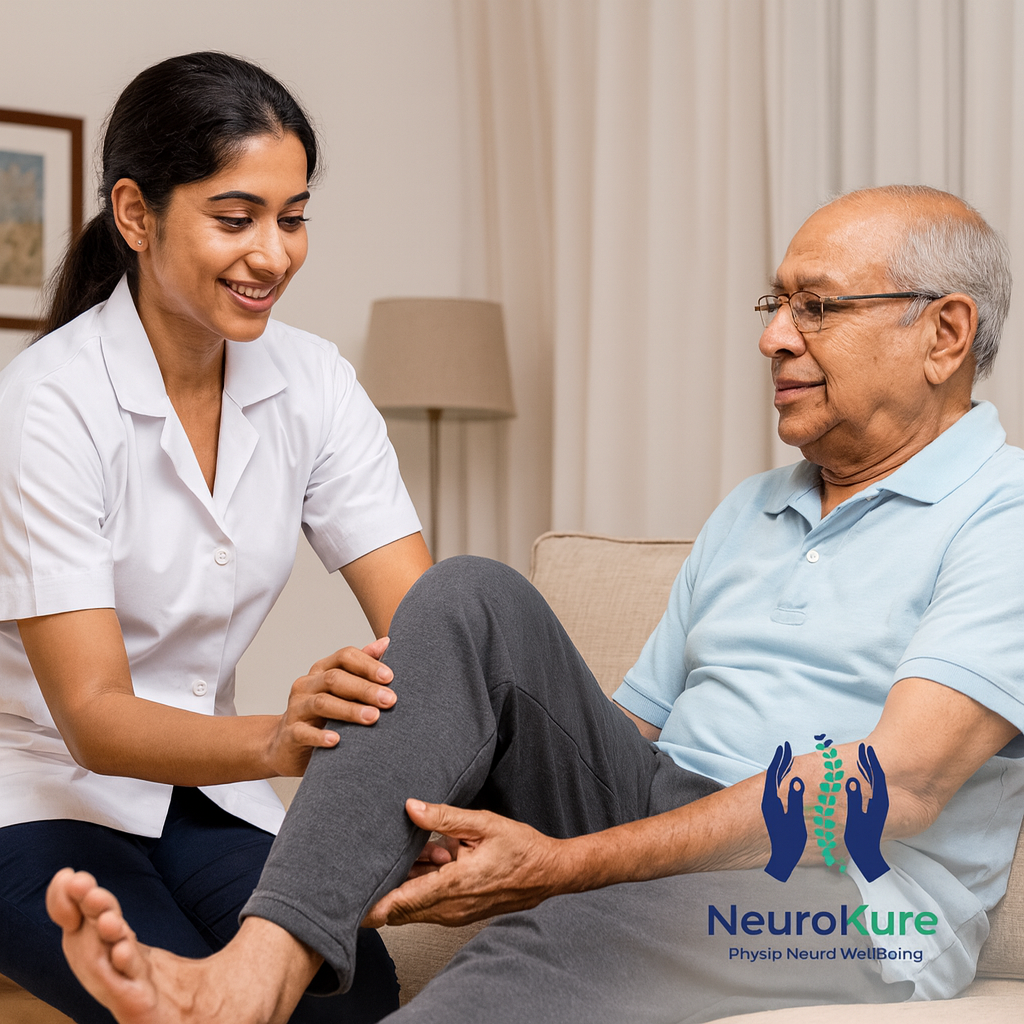
Six months of dedicated stroke rehabilitation changed everything. His neuro physiotherapy team guided him through repetitive, gradually challenging exercises. Today? Rajesh plays with his grandchildren and has returned to work.
This is what proper neurological rehabilitation looks like in action.
What are the Key Benefits of Neuro Physiotherapy?
Neurological rehabilitation for brain injury plays a vital role in supporting recovery after surgery. Its goal is to help patients regain strength, mobility, and confidence as they progress through rehabilitation. This physiotherapy offers various benefits like:
- Restored Physical Function: Brain injury physiotherapy helps you relearn basic movements. Walking. Grasping. Balance. Small victories that feel like miracles.
- Improved Cognitive Abilities: Memory exercises and mental challenges rebuild thinking skills. Many patients report clearer thoughts and better focus after consistent therapy.
- Enhanced Independence: The ultimate goal? Getting your life back. Neurological disorder treatment helps you dress yourself, cook meals, and live without constant assistance.
- Reduced Pain and Spasticity: Specialized techniques ease muscle stiffness and chronic pain that often accompany brain injuries.
- Emotional Wellbeing: Depression affects most of the stroke survivors. Rehabilitation programs include emotional support, helping you process trauma and rebuild confidence.
What Makes Effective Stroke Rehabilitation?
Recovering from a stroke takes time, effort, and the right support and not all programs are equal. The following approaches can make rehabilitation more effective and help patients regain their strength and independence:
- Early Intervention Matters: Starting brain injury recovery within days or weeks of injury produces the best results. Your brain is most receptive to change during this critical window.
- Personalized Treatment Plans: Your injury is unique. Your rehabilitation should be too. Cookie-cutter approaches don’t work.
- Consistency Is Everything: Showing up three times, a week beats occasional intensive sessions. Your brain needs regular stimulation to rewire.
- Technology Integration: Modern neuro physiotherapy uses virtual reality, robotic-assisted therapy, and biofeedback. These tools accelerate recovery by making therapy engaging and precise.
- Family Involvement: Recovery doesn’t happen in isolation. The best neurological rehabilitation programs train families to support progress at home.
Common Neurological Conditions That Benefit from Rehabilitation
Rehabilitation plays a key role in helping individuals regain strength, improve function, and enhance their overall quality of life. The following section highlights some common neurological conditions that respond well to structured rehabilitation programs.
- Stroke: The leading cause of adult disability. Stroke rehabilitation addresses paralysis, speech problems, and cognitive changes.
- Traumatic Brain Injury (TBI): From accidents or falls. Brain injury physiotherapy helps survivors regain lost functions and adapt to lasting changes.
- Parkinson’s Disease: Movement disorders need specialized neurological disorder treatment to maintain mobility and quality of life.
- Multiple Sclerosis: Progressive symptoms require ongoing neuro physiotherapy to manage fatigue and preserve function.
- Spinal Cord Injuries: Even partial recovery can dramatically improve independence.
Frequently Asked Questions (FAQs)
Here are some common questions and answers to help you understand what to expect during your recovery. This section covers important details about the rehabilitation process, timelines, and therapy protocols.
1. How long does recovery take?
Every brain injury is different. Some see improvements in weeks. Others need months or years. But progress is possible at any stage.
2. Is it too late to start?
Never. While earlier is better, the brain remains adaptable throughout life. We’ve seen patients improve years after their initial injury.
3. Will insurance cover it?
Many plans cover neurological rehabilitation, especially immediately post-injury. Check with your provider about ongoing therapy coverage.
Conclusion
Brain injury recovery isn’t a straight path. There will be setbacks. But consistent neurological rehabilitation for brain injury works. Real people regain abilities every single day.
Your brain is more powerful than you think. With expert neuro physiotherapy, the right support, and determination, you can rewrite your recovery story.
Book a Consultation
It’s easy and free!