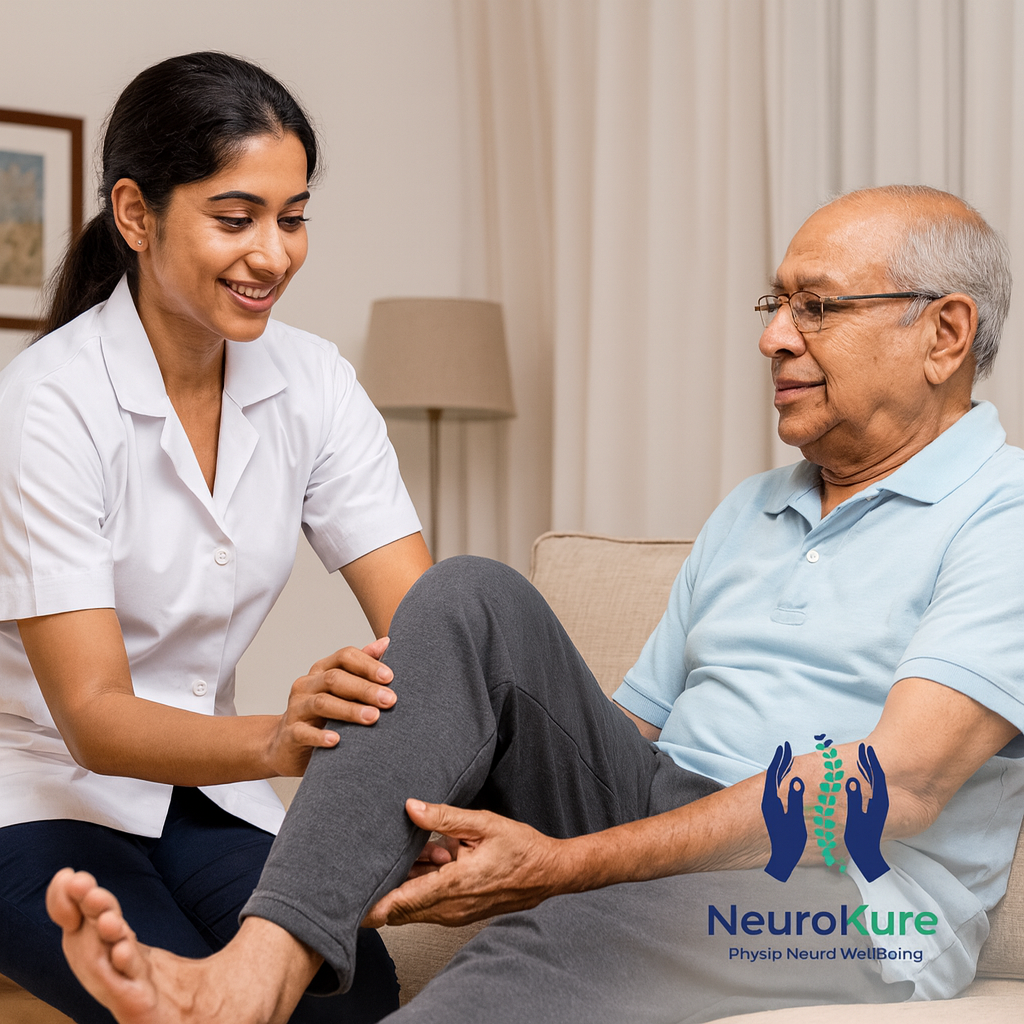
How Home Visit Physiotherapy Can Enhance Your Recovery Journey As a physiotherapist, I meet patients who are motivated to get better but exhausted by travel, waiting rooms, and the fear of “doing it wrong.” If you’re recovering from surgery, living with chronic pain, or simply struggling to stay consistent, home visit physiotherapy can remove those …


How Home Visit Physiotherapy Can Enhance Your Recovery Journey
As a physiotherapist, I meet patients who are motivated to get better but exhausted by travel, waiting rooms, and the fear of “doing it wrong.” If you’re recovering from surgery, living with chronic pain, or simply struggling to stay consistent, home visit physiotherapy can remove those barriers. It brings expert care to the space where you live and move every day — and that’s exactly where recovery begins.
What Is Home Visit Physiotherapy?
Home visit physiotherapy means a licensed physiotherapist visits your home with the essentials needed for assessment and treatment. We check your mobility, strength, posture, balance, and pain triggers — then build a plan you can follow safely in your own environment.
There’s a clinical advantage too: when therapy happens where you climb your stairs, sit at your desk, and sleep on your mattress, the results translate faster into daily life.
Mobile Physiotherapy Services for Every Need
At NeuroKure Wellbeing Centre, we offer at-home care for:
- Post-operative rehabilitation (knee, shoulder, spine, hip, hernia, etc.)
- Sports injury recovery and safe return to activity
- Neurological conditions (stroke, Parkinson’s, neuropathies)
- Geriatric care (falls prevention, balance training, strength)
- Chronic pain management (neck, back, shoulder, knee)
We also assess your home for fall risks and simple ergonomic improvements, and we train family members to support you between sessions.
Benefits You Don’t Get from a Clinic Visit
- Comfort improves outcomes: you’re calmer at home, which helps movement quality and pain control.
- Consistency becomes possible: no commute, fewer cancellations, steadier progress.
- Real-world practice: we build exercises around your stairs, chairs, bed height, and daily routines.
- Time saved = energy gained: skip the travel and use that effort for healing.
- Family involvement: your support system learns the right cues and assists safely.
How Home-Based Rehabilitation Works
First Visit: a thorough assessment of pain, range of motion, strength, balance, gait, and functional tasks. We also review medications, red flags, and your goals.
Treatment Plan: personalized exercises, hands-on techniques where appropriate, pacing strategies, and weekly targets — so you know what success looks like.
Regular Sessions: typically 2–3 visits per week (45–60 minutes). We progress gradually using bands, light weights, body-weight drills, balance work, and breathing strategies.
Progress Tracking: we adjust what isn’t helping and double down on what is, so you keep moving forward safely.
Education: body mechanics, sleep and sitting positions, flare-up management, and relapse prevention — because knowledge prevents setbacks.
Who Benefits the Most?
- Seniors who find clinic travel exhausting or unsafe
- Post-surgery patients who need early, guided movement
- Busy professionals who need evening or weekend slots
- People with chronic conditions who do better with steady, manageable routines
- Parents at home who need care that fits real life
Make the Most of Your Home Sessions
- Prepare your space: clear a small area, good lighting, stable chair, slip-free surface.
- Dress for movement: comfortable clothing so we can see joint motion clearly.
- Be honest about pain: steady effort is good — sharp, escalating pain is not.
- Ask “why” often: when you understand the purpose, your form — and results — improve.
- Do your homework: 10–15 minutes a day beats one hard session a week.
My Take as a Clinician
In over five years of practice, the most consistent wins I’ve seen come from patients who remove friction and stay steady. Home care does exactly that — it keeps you safe, confident, and accountable. And when treatment is built around your actual life, recovery sticks.
Conclusion
Home visit physiotherapy removes barriers between you and better movement. If you’re recovering from surgery, managing pain, or rebuilding strength after a setback, care at home can be the difference between “I tried” and “I’m back.”
If you’d like support, the team at NeuroKure Wellbeing Centre is here to help. We’ll meet you where you are — and move forward from there.
Book a Consultation
It’s easy and free!