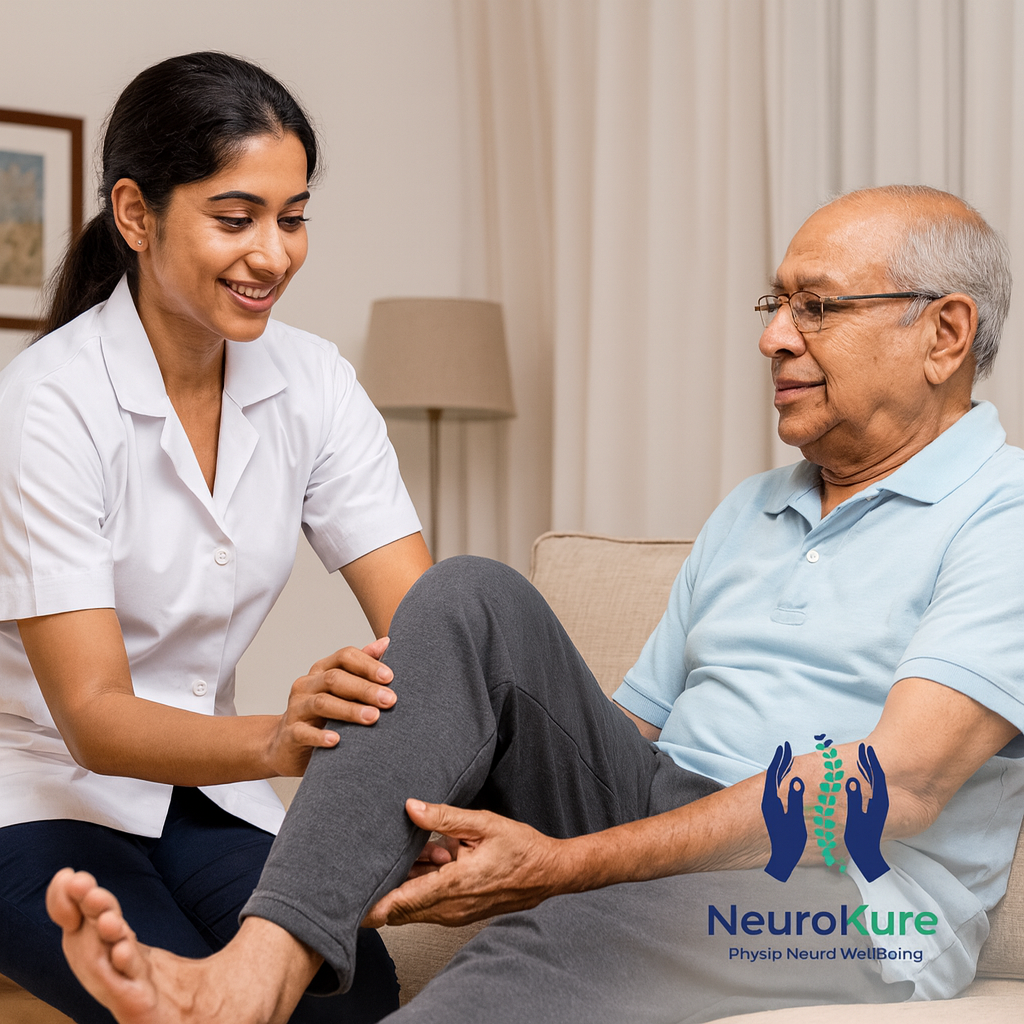
Post-Surgical Rehabilitation Guide: Recovery Timeline & Therapy Protocols As a physiotherapist, I often meet patients who believe that once the surgery is over, recovery is automatic. But in truth, what happens next — in the days, weeks, and months after — determines how well you truly heal. Post-surgical rehabilitation bridges the gap between a successful …


Post-Surgical Rehabilitation Guide: Recovery Timeline & Therapy Protocols
As a physiotherapist, I often meet patients who believe that once the surgery is over, recovery is automatic. But in truth, what happens next — in the days, weeks, and months after — determines how well you truly heal. Post-surgical rehabilitation bridges the gap between a successful operation and a successful recovery.
Many patients leave the hospital with vague instructions like “take it easy” or “move gradually.” Without structured physiotherapy, you risk stiffness, weakness, and incomplete recovery. Some push too fast; others barely move, afraid they’ll undo the surgeon’s work. The balance comes from guided, progressive movement — and that’s where physiotherapy makes all the difference.
Why Post-Surgical Rehabilitation Isn’t Optional
Surgery repairs the structure — a ligament, a joint, or a tendon — but your body still needs to relearn how to move correctly. Think of it like replacing your car’s brakes: the parts are fixed, but you must test and train them before hitting the road.
Without proper rehabilitation, you risk:
- Stiff joints and reduced range of motion
- Muscle weakness from inactivity
- Scar tissue buildup limiting flexibility
- Higher risk of re-injury
Research consistently shows that patients following structured rehabilitation programs recover faster and more completely — regaining strength, mobility, and confidence weeks or even months sooner.
The Recovery Timeline: What to Expect
Every surgery is unique, but the healing journey often follows four key phases. Understanding these stages helps you stay motivated and track progress safely.
Week 1–2: Protection Phase
During the initial days, your body is focused on healing tissues. Swelling, stiffness, and pain are normal. The goal is to maintain circulation and prevent immobility. Gentle ankle pumps, breathing exercises, and light stretches are introduced to keep muscles active.
Example: After knee surgery, starting with simple quad sets — tightening the thigh muscle while lying down — may feel small, but it’s a crucial first step.
Week 3–6: Early Mobility Phase
Pain begins to subside, and movement slowly improves. The therapist introduces controlled, weight-bearing activities and balance exercises. The focus is on safe, progressive motion — not speed. Rushing through this stage risks setbacks.
Week 7–12: Strength Building Phase
Now the real rebuilding begins. Resistance bands, light weights, and functional training exercises restore muscle power and coordination. For shoulder surgery, it means lifting light items overhead. For knees, it means climbing stairs or walking longer distances confidently.
Month 4 and Beyond: Return to Function
This stage focuses on returning to your normal life — sports, work, or hobbies. Activities are tailored to real-world needs, like improving posture for office work or controlled training for athletes. The goal: move without fear or restriction.
Key Components of Effective Rehabilitation
Successful recovery isn’t just about exercise; it’s about combining multiple elements that help your body heal completely. At NeuroKure Wellbeing Centre, we emphasize these key components:
- Manual Therapy: Gentle joint mobilizations, scar tissue release, and targeted hands-on techniques to restore normal movement and reduce stiffness.
- Therapeutic Exercises: Every program is customized — from ACL repair to shoulder stabilization — progressing as your body heals.
- Pain Management: Ice, heat, ultrasound, or electrical stimulation help control pain without excessive medication, keeping you active in recovery.
- Education & Home Program: You’ll learn safe postures, daily movement modifications, and signs to watch for — because informed patients recover better.
Common Mistakes That Delay Recovery
Recovery after surgery is a partnership between patient and therapist. Avoiding these common mistakes can save you months of frustration:
- Doing too much, too soon: Feeling strong doesn’t mean fully healed. Overexertion can reopen or inflame healing tissues.
- Doing too little: Fear of pain leads some patients to avoid movement entirely — slowing circulation and muscle recovery.
- Skipping sessions: Consistency is key. Each visit builds on progress made in the last one.
- Ignoring pain signals: Mild soreness is okay; sharp or shooting pain isn’t. Communicate openly with your physiotherapist.
Why Professional Rehabilitation Matters
Your surgeon repaired the damage, but only physiotherapy retrains your nervous system, rebuilds muscle memory, and restores movement confidence. That’s why “just resting” rarely works long-term.
Consider this: Two patients undergo identical shoulder surgeries. One follows a 12-week structured rehab plan; the other rests for six weeks before returning to normal activity. Months later, only the patient who completed guided therapy regains full motion and strength.
Structured rehabilitation provides:
- Evidence-based progression — not guesswork
- Motivation and accountability
- Early detection of potential complications
- Functional training customized to your goals
Conclusion
Surgery is only the beginning of your healing journey. Post-surgical rehabilitation ensures your body recovers fully, safely, and efficiently. With the right physiotherapy plan, you’ll regain strength, mobility, and independence — returning to the activities you love without fear or limitation.
At NeuroKure Wellbeing Centre, our physiotherapists design personalized rehabilitation programs based on your surgery type, goals, and comfort level. Take the next step — heal better, move better, and live pain-free.
Book a Consultation
It’s easy and free!
Tags:functional training after surgeryhome physiotherapyjoint rehabilitationmanual therapymobility after surgerymuscle strengthening after surgeryNeuroKure Wellbeing Centreorthopedic physiotherapypain managementphysical recovery guidephysical therapy recovery planphysiotherapist in Mohaliphysiotherapy after surgeryphysiotherapy guidepost surgery exercisepost surgery recoverypost surgery stiffnesspost-operative physiotherapypost-surgical rehabilitationrecovery phasesrecovery timeline after surgeryrehabilitation clinic Indiarehabilitation protocolsscar tissue recoverystrength building exercisessurgery recovery tips